How to Lose Menopause Belly Fat: The Fasting Myth (Menopause Myths)
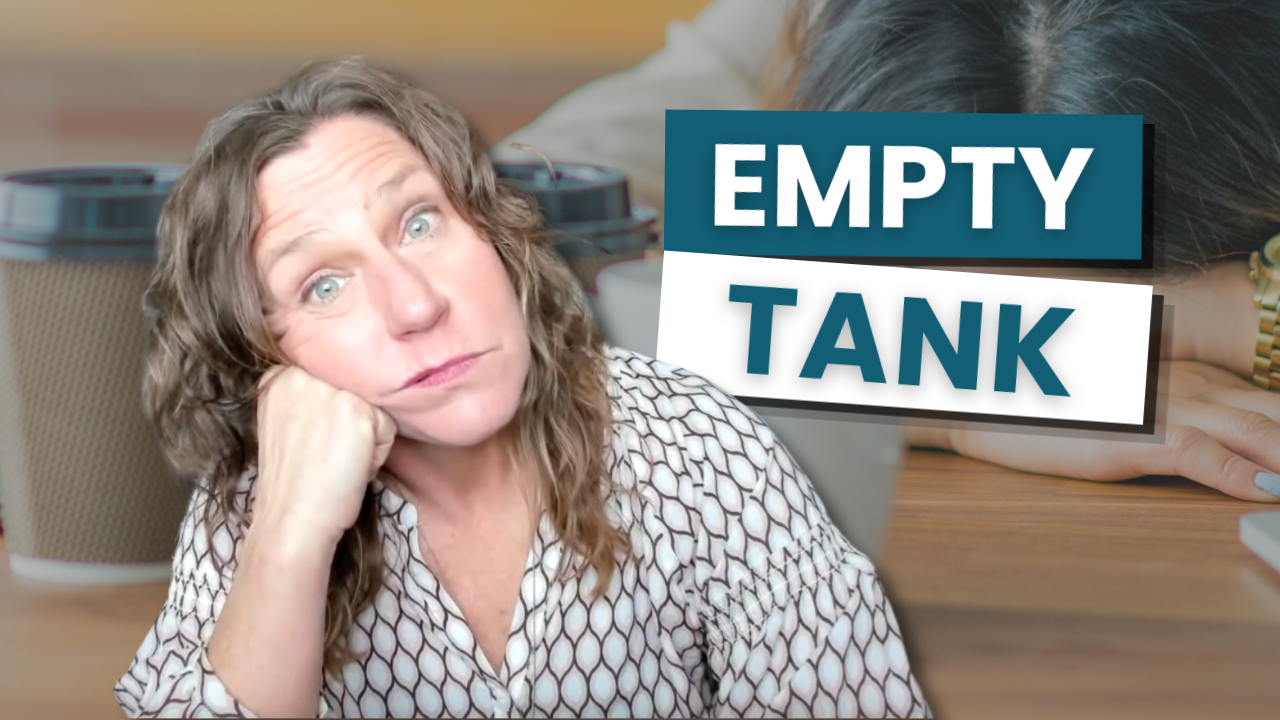
How to Lose Menopause Belly Fat Without Fasting
Quick answer: To lose menopause belly fat, stop fasting for so long and start eating with the sun. After 50, skipping meals and training on an empty stomach can raise the stress hormone cortisol, which stores fat around your middle. Eat during daylight hours, close your kitchen after dark, and surround your workouts with protein so you build muscle instead of burning it.
The short version
- Fasting harder usually backfires after 50. The overnight fast you do while you sleep is the one your body was built for.
- Under-fueling and fasted workouts can raise cortisol, the hormone that stores belly fat in menopause.
- Eat during daylight, and close your kitchen after dark.
- Add food around your workouts: about 100 to 200 calories before, and 30 to 40 grams of protein after.
- Keep lifting heavy-for-you weights. Muscle is the engine that protects your metabolism.
The two easy changes that actually work
You do not need a new diet. You need a new clock, and a little food around your training. Two switches do most of the work.
Switch 1: Eat with the sun. Breakfast is back on the table. Lunch is a real meal. Dinner comes before the kitchen closes. Then close your kitchen after dark. That is your fast, and it happens while you sleep, when your body can rest and repair instead of running a stress alarm all day.
Switch 2: Surround your workouts with nutrition. Eat a small something before you train, around 100 to 200-ish calories, like a banana or a few dates. Then hit your protein after, around 30 to 40-ish grams, while your muscles are open and listening. After 50, your muscles are less responsive to protein, so they need a bigger, clearer signal, and exercise wakes them back up.
The intent in midlife is to build muscle, and building muscle requires nourishment.
What to stop, and what to start
Stop doing this
- Skipping breakfast to stretch your fast longer
- Training on an empty stomach
- Eating your biggest meals late at night
- Reading the scale as the whole story
Do this instead
- Eat during daylight and close the kitchen after dark
- Have a small bite before workouts, and real protein after
- Lift something heavy-for-you a few times a week
- Anchor most meals with protein
Why fasting and fasted workouts backfire after 50
Your body still runs on ancient software. When you skip breakfast, push lunch to 2 p.m., and run on coffee, it does not read that as a wellness routine. It reads famine. So it releases cortisol to keep you going, and cortisol tells your body to store energy for the next shortage, right in the deep fat around your middle, which happens to have more cortisol receptors than almost anywhere else.
In one study of 121 women, cutting calories for three weeks raised their total cortisol output. Fasting can raise it too.
Now add a fasted workout on top of that famine signal. When you train hard under-fueled, the easiest fuel for your body to grab is muscle, the very tissue you are trying to build. That is the frustrating trap of midlife fitness: training more, eating less, and getting weaker.
You were never failing the fast. The fast was failing you.
Belly fat in menopause is not a willpower problem
The fast that felt easy at 40 can feel like pushing a car uphill at 50. Same woman, same willpower, different body chemistry. As estrogen declines through perimenopause and into menopause, your body becomes more reactive to stress, including the stress of not eating. Your body did not break. It changed jobs, and now it is optimizing for survival. Once you stop treating this as a discipline problem, you can stop solving the wrong one.
A simple day, from sunrise to kitchen-close
If you worlout in the morning: Eat something small when you wake, then your workout, then breakfast as your repair meal with 30 to 40-ish grams of protein. Lunch at midday. Dinner before dark. The kitchen closes at sunset, and sleep does the fasting for you.
If you train later in the day: Eat a normal protein breakfast, lunch, then eat something small before your afternoon workout, and dinner right after as your repair meal. The kitchen still closes at dark.
Either way, the rule stays the same. Eat something small before you move, and real protein in the meal right after. Your repair window is after your workout.
Frequently asked questions
Does fasting help you lose menopause belly fat?
For most women over 50, pushing longer fasts does not help and can backfire. Under-fueling can raise cortisol, the hormone that stores belly fat in menopause. The overnight fast you already do while you sleep is the one your body handles best.
Are fasted workouts bad after 50?
Training on empty when your body is already stressed makes it more likely to burn muscle for fuel. A small pre-workout snack and real protein afterward help you build muscle instead of losing it.
What time should I stop eating at night?
Aim to close your kitchen around sunset, or simply after dinner, and keep your eating to daylight hours. Eating earlier in the day tends to be easier on your blood sugar and insulin than eating late at night.
How much protein do I need after 50?
Around 30 to 40-ish grams of quality protein per meal helps switch on muscle building, since midlife muscle is less responsive to smaller amounts.
Does the overnight fast really count?
Yes. If you finish dinner and do not eat again until breakfast, you have already fasted for roughly 12 hours. Sleep is included, so you get the benefit for free.
Keep going
This is one episode in the Menopause Myths series on the Midlife Method® with Cam Allen.
- Start free with my resources menu: https://www.camoyler.com/menu
- Want a simple, demo-style place to begin? The Menopause Mini Strength Program: https://www.camoyler.com/offers/dNzq2xmR/checkout
- Ready for 1:1 support? Apply here: https://calendly.com/cam-heymomma/apply
Related reading
- Menopause Belly Fat, Part 1: Why More Exercise Isn't Working: https://youtu.be/3m_3Yl-yvIU
- Menopause Belly Fat, Part 2: 3 Hormones Storing Fat in Your Middle: https://youtu.be/LeqZrIACvKo
- Lower Blood Sugar in Menopause Means Less Belly Fat: https://youtu.be/1YjSwxlFNDI
- In Menopause, How Much Protein Do You Need and How Do You Get It: https://youtu.be/62FS7FhNE-U
This article is for education, not medical advice. Cam Allen is a functional health coach, not a doctor. Please talk with your own physician about your situation, especially if you take any medication.
